Ventura College Department of Performing Arts
|
1925 |
Founding of Ventura College (VC) |
|
1956 |
Frank Salazar Starts Tenure at VC |
|
1964 |
The Performing Arts Department (PAC) theater building opens |
|
1962 |
Burns Taft starts Tenure at VC |
|
1976 |
The Dance Program launches at VC |
|
1981 |
Robert Lawson starts tenure at VC |
|
1990's |
Launch of Jazz Program and First Public Recital |
|
1992 |
Frank Salazar retires |
|
2003 |
PAC Theater renamed Helen Yunker Auditorium in Honor of Helen's $2 Million Donation to Ventura College |
|
2003 |
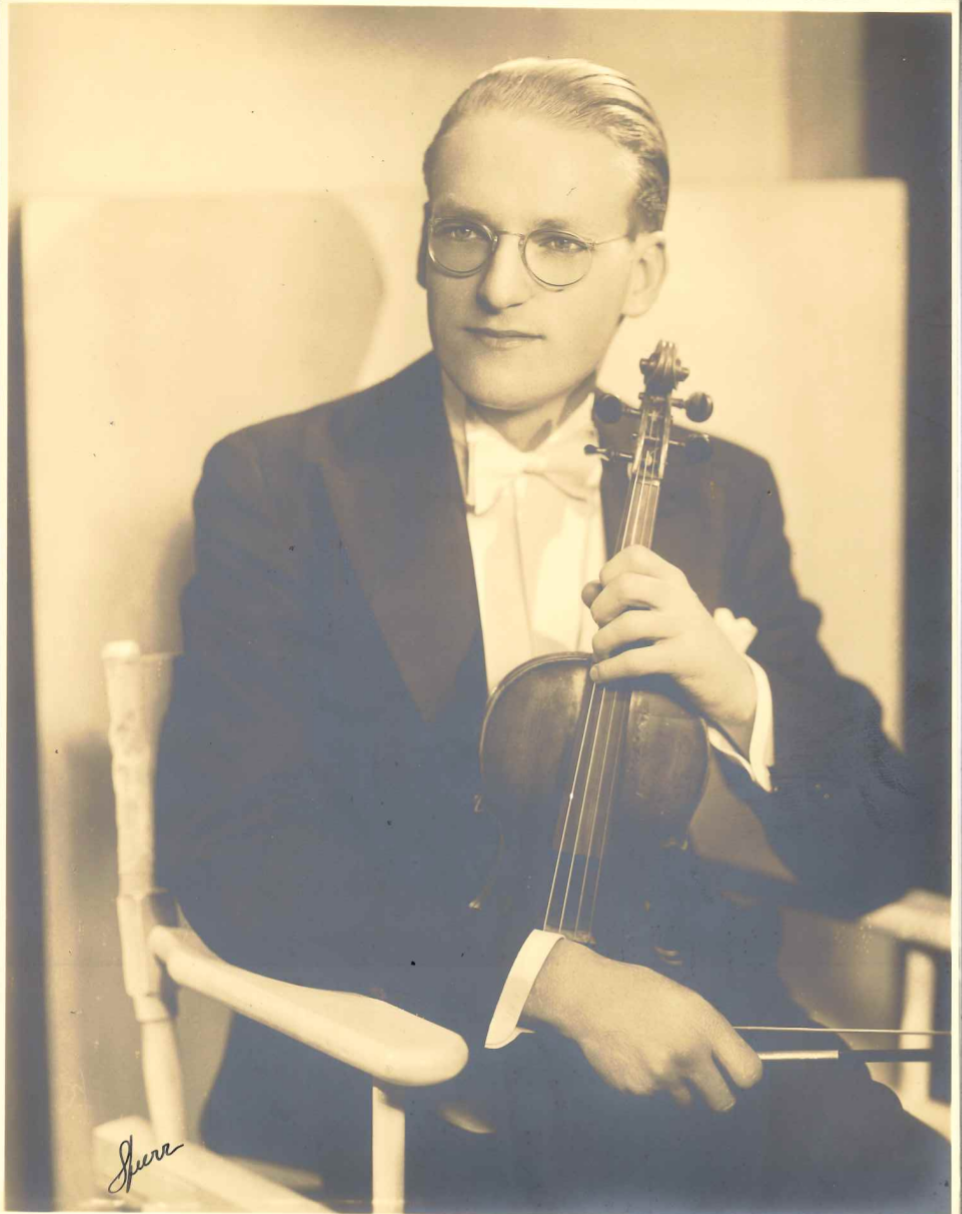
Inaugural Henry Schwab Violin and Viola Competition |
|
2010 |
Brent Wilson starts tenure at VC |
|
2012 |
Major renovations to the Performing Arts Center |
|
2017 |
Miriam Schwab’s estate donates $12 million to the Ventura College Foundation |
|
2019 |
Inaugural Miriam & Henry Schwab Academy of Music Summer Program |
|
2021 |
Robert Lawson officially retires |
|
2024 |
Ashley Walters starts tenure at VC Inaugural Allegro Solo Competition |
|
2024 |
Inaugural Annual Guest Artist Residency with Pulitzer Prize Finalist Wadada Leo Smith |
|
2024 |
VC Chamber music outreach to Ventura County Schools initiative was launched |
|
2025 |
Second annual Guest Artist Residency featuring Mark Menzies |
|
2025 |
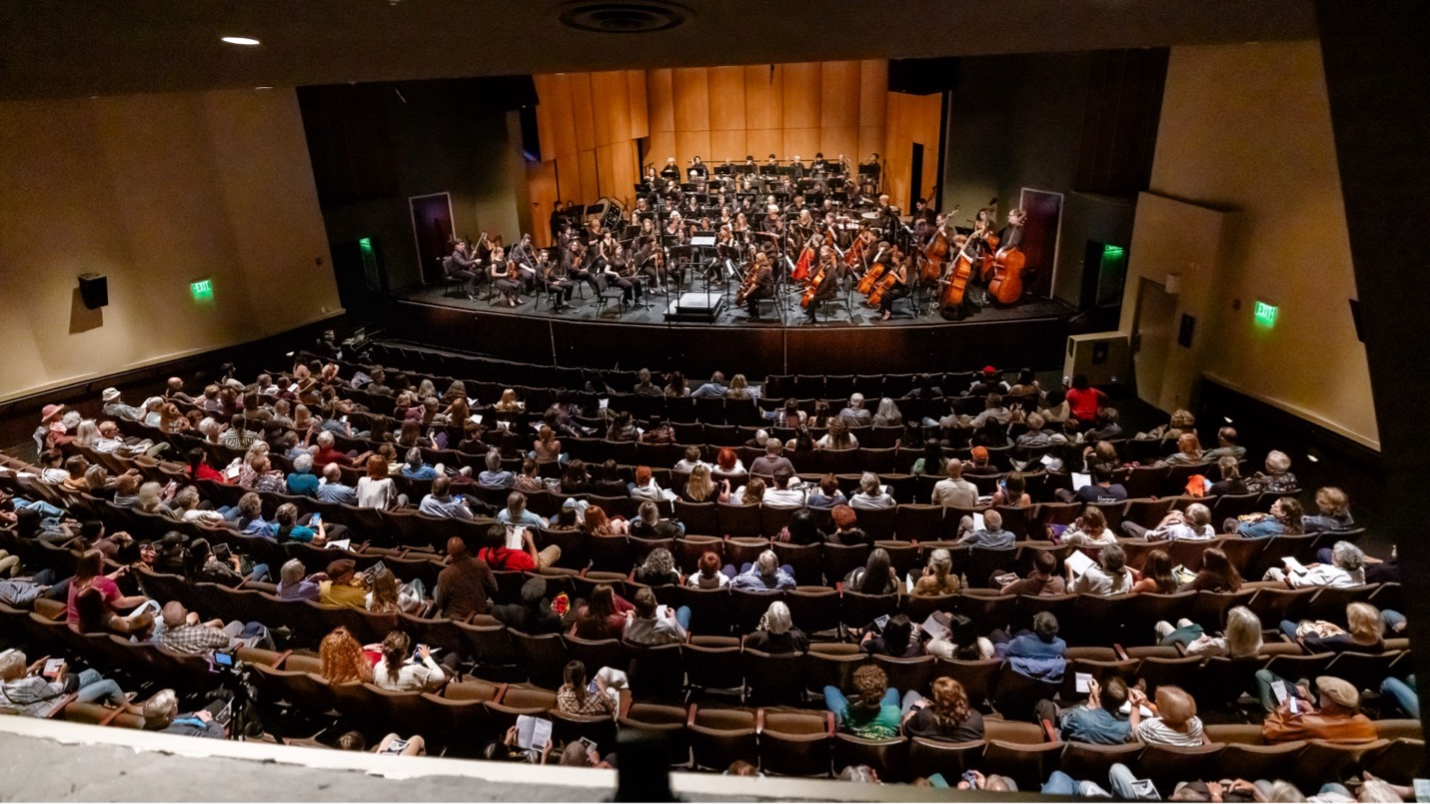
VC Symphony Celebrates the College's Centennial in a concert featuring works by past and current faculty members. |
Past Director Info
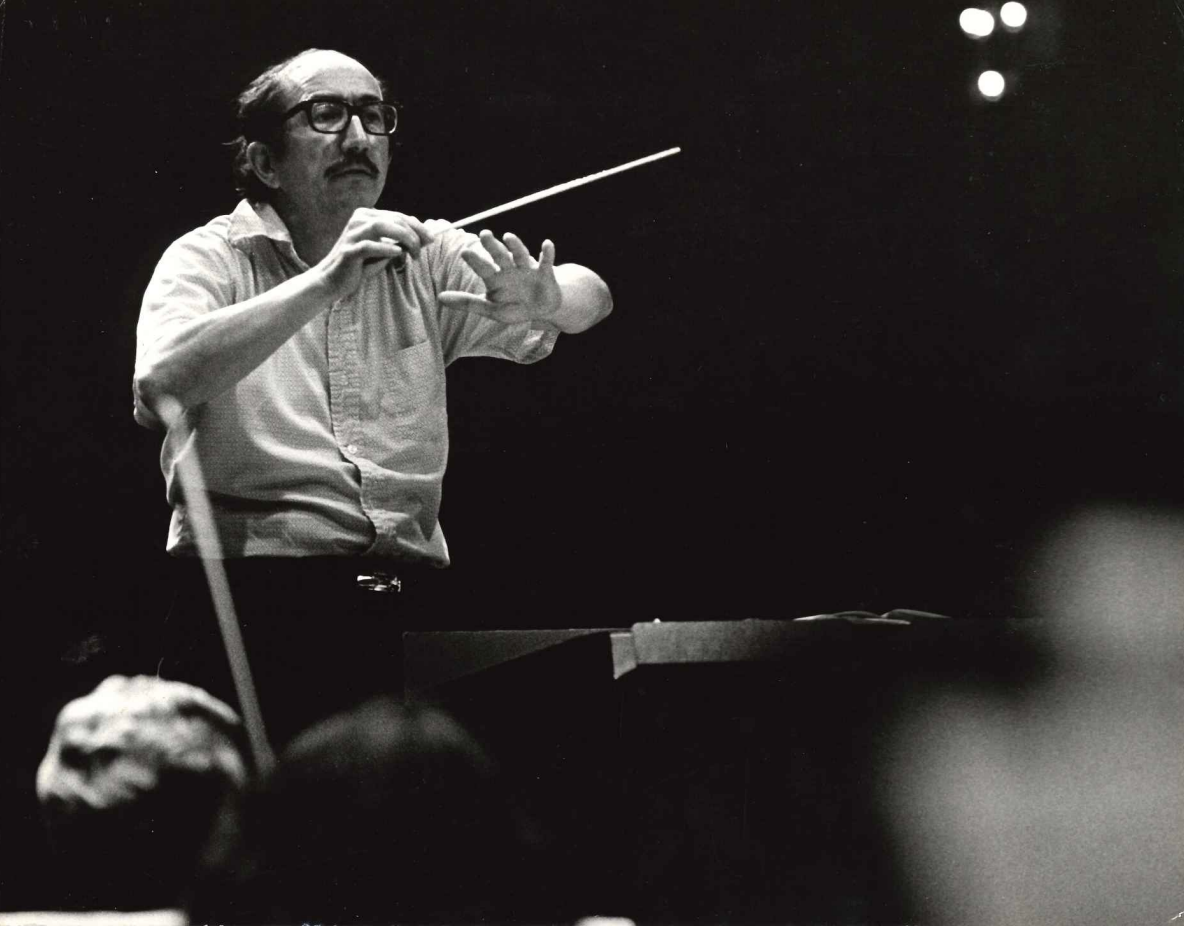
Frank Salazar
Frank Salazar earned his master’s degree in music from the University of Southern California in 1956 and soon after joined the music faculty at Ventura College, where he became a foundational figure in the growth of the college’s music program. A specialist in music theory, Salazar was known for his exacting standards, compassionate mentorship, and commitment to cultivating well-rounded musicianship among his students. In 1962, he founded the Ventura College Symphonette, which evolved into the Ventura County Symphony, serving as its conductor for three decades. Under his leadership, the ensemble became a cultural cornerstone in Ventura County, drawing together college students, community members, and professional musicians in a shared pursuit of musical excellence.
Beyond his contributions at the college, Salazar established the Ventura County Youth Symphony, creating pathways for young performers to experience orchestral playing at a high level. His influence extended throughout the region, inspiring generations of musicians who went on to perform, teach, and lead in the arts. Salazar’s dedication to music education and civic engagement earned him numerous distinctions, including the Latino Achievement Award (1983), Outstanding Community Contributor (1984), Ventura Citizen of the Year (1986), and the Ventura College Academic Senate Community Award (1987). In 1992, his lifelong impact was formally recognized in the U.S. Congressional Record, honoring his enduring legacy as a builder of both musical and cultural life in Ventura County.
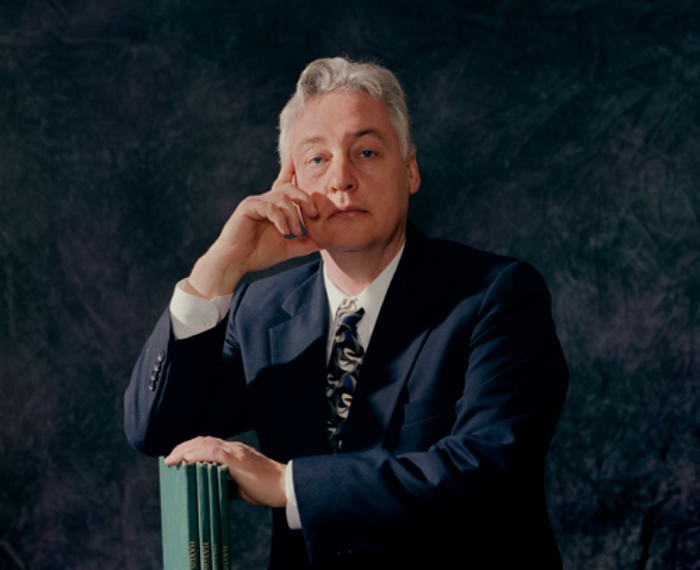
Burns Taft
Dr. Burns Taft joined Ventura College in the early 1960s and became a central figure in the college’s music department for over three decades. A distinguished educator and conductor, Taft earned degrees from Yankton College, Yale School of Music, University of Colorado, and a Doctor of Musical Arts from USC. Known for his deep musical knowledge and dedication to his students, he pioneered innovative programs in private music instruction, a rare offering at the community college level, and cultivated ensembles that elevated Ventura College’s presence in the regional arts scene. Beyond the classroom, he founded the Chamber Orchestra of Ventura County and directed the Ventura County Master Chorale, introducing staged operas and advanced choral performances that drew audiences across Southern California. Taft’s work combined academic rigor, professional excellence, and community engagement, leaving a lasting legacy on Ventura College and the county’s musical culture.
As Chair of Ventura College’s Performing Arts Department, Burns Taft shaped the curriculum and expanded academic offerings in music, theatre, and choral studies. He directed college ensembles, including choirs and orchestras, enhancing the department’s profile in Ventura County and providing students with high-level performance opportunities. Taft also founded innovative private music instruction programs—among the first at a California community college—giving students individualized training alongside ensemble participation.
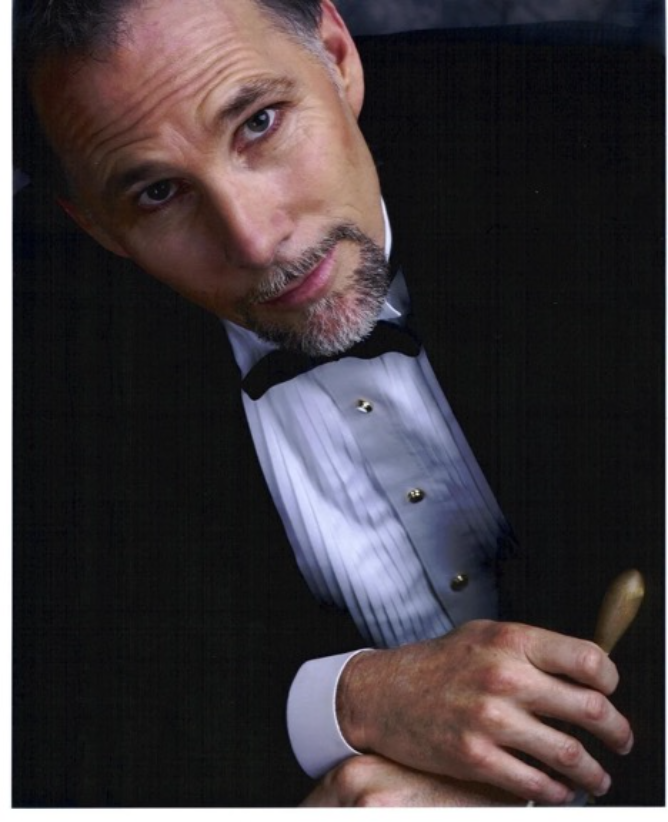
Robert Lawson
Robert E. Lawson was a conductor, educator, and arts administrator whose vision and leadership helped define Ventura College’s modern Performing Arts Department. Serving as Department Chair, Lawson guided the expansion of programs in music, theater, and dance, integrating academic rigor with opportunities for professional-level performance. A passionate advocate for accessible arts education, he emphasized collaboration between students, faculty, and community musicians—strengthening Ventura College’s reputation as a regional hub for the performing arts.
Lawson was a founding executive music director and conductor of the Santa Clarita Valley Youth Orchestra (SCVYO) from 1989-2007. During his tenure, he significantly grew the ensemble, added courses to their program, and helped develop the SCVYO international summer program.
As an active leader in the community, Lawson served as Music Director of the Santa Clarita Symphony (7years), the director of the Ventura City Hall Concert Series (11 seasons), and was founding Music Director/Conductor of the Channel Islands Chamber Orchestra (12 seasons).
Lawson’s artistry and organizational insight helped elevate the college’s orchestral and choral programs to new prominence. He was the founding director of the Miriam and Henry Schwab Academy of Music, a prestigious summer program supported by a multimillion-dollar endowment that provided intensive chamber music and orchestral training and mentorship for emerging musicians. Under his leadership, the Schwab Academy became a cornerstone of Ventura College’s outreach, drawing participants from across the state and linking the college to a broader classical music network. Lawson’s tenure reflected a deep belief in the transformative power of music education—combining scholarship, performance, and community engagement to inspire the next generation of artists.